What Time of Year Should You Not Cut Down Trees?
Trees bring shade, beauty, and ecological value to our landscapes. But there are sensible times of the year when you should avoid cutting down trees or limit the work to emergency situations. Understanding seasonal considerations can help you plan effectively, protect wildlife, and ensure the health of your property. This guide will explore the best and worst times to cut trees, with practical tips and a nod to local tree services mansfield.
Introduction: why seasonality matters for tree work
Tree cutting is not just a matter of function; it also involves biology, wildlife regulations, and safety. Different seasons influence tree stress levels, regrowth potential, and the impact on birds, mammals, and insects that depend on trees for habitat. By aligning tree services with seasonal best practices, you can minimize damage and ensure a more predictable outcome for your landscaping project.
The risks of cutting trees in late autumn and winter
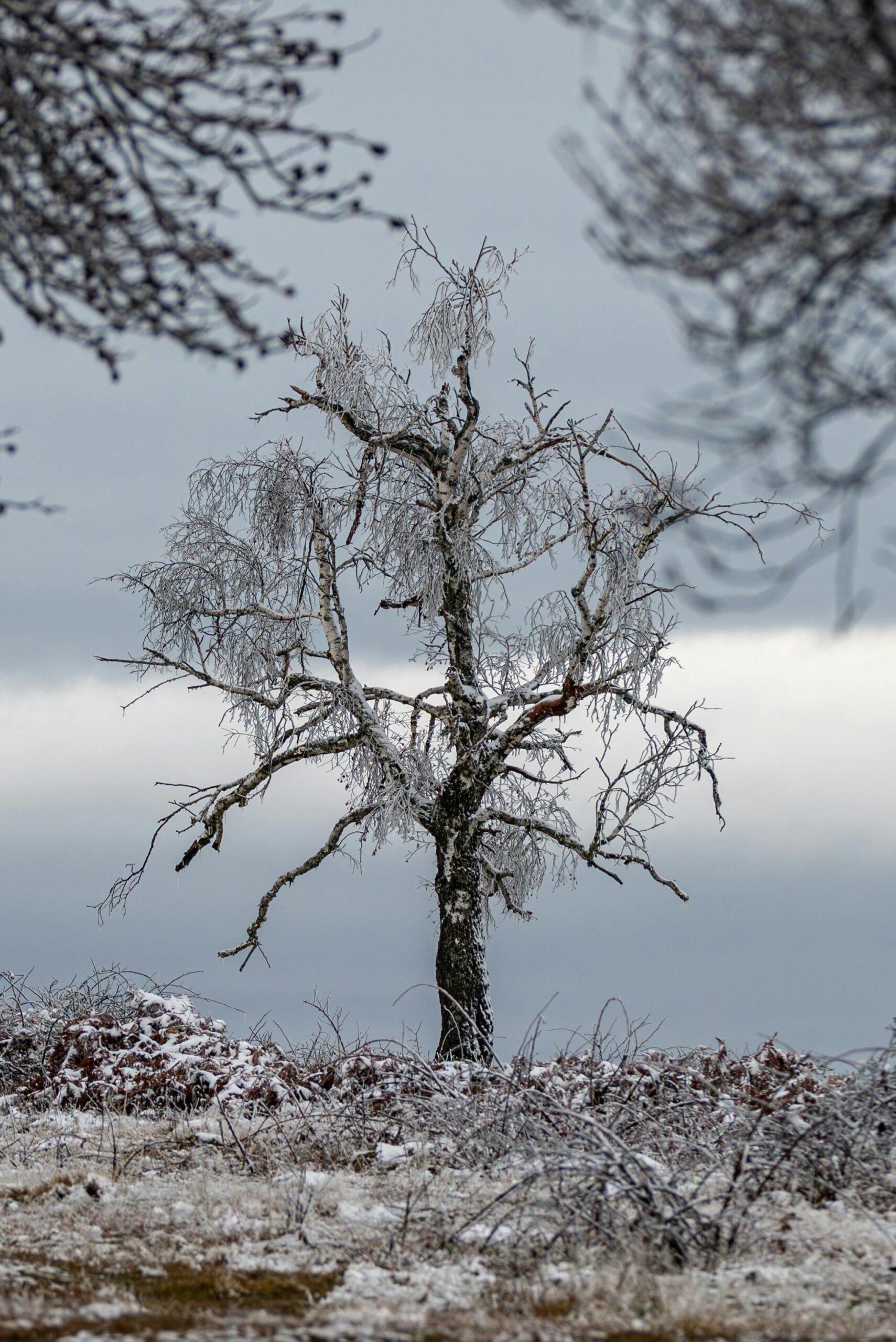
- Frost damage and branch breakage: Frozen wood can become brittle, increasing the risk of cracks or shattering when cuts are made.
- Root and soil disturbance when soil is saturated: In wet autumns or early winter, soil is often soft, which can destabilize equipment and cause ground compaction.
- Seasonal wildlife considerations: Many species are nesting or roosting in late autumn or winter, and disturbing them can be disruptive and, in some cases, legally problematic.
- Reduced sap flow and healing: Deciduous trees shed leaves, reducing photosynthetic activity and delaying wound closure, which can slow the healing process after cuts.
If you’re facing an urgent safety concern (damaged limbs threatening property, power lines, or risk of collapse), contact a professional promptly. Otherwise, plan for more suitable seasons.
The ideal seasons for tree pruning and removal
- Late winter to early spring: This is often considered an optimal window for pruning because trees are dormant, and wounds tend to heal more efficiently as sap begins to rise. Accessibility is also better, and there is less leaf litter to deal with.
- Early summer with care: Some light pruning can be done in early summer, but this should avoid peak heat and drought stress. Focus on shaping and removing only dead or diseased branches.
- Cool, dry days: If weather is mild and the soil is dry, some non-urgent pruning can be accomplished in late spring or early autumn, depending on local conditions and species.
Note: The suitability of timing can vary by species. Some trees heal differently, and certain species respond better to pruning at specific times. Always confirm with a local expert.
Environmental and wildlife considerations
- Bird nesting season: In many parts of the UK, birds nest in spring and early summer. Cutting trees during active nesting periods can disrupt breeding and may be legally restricted under wildlife protection laws.
- Dormant periods: In winter dormancy, trees conserve energy, which can be advantageous for pruning because wounds close with less phloem activity. However, frozen ground and increased risk to workers must be weighed.
- Habitat preservation: Mature trees provide homes for bats, owls, and other species. If you’re replacing a tree or removing one, consider how to mitigate habitat loss and whether replacement planting is appropriate.
If you’re unsure about nesting or seasonal restrictions, consulting with local authorities or a professional tree services mansfield can help navigate regulations and ensure compliance.
Practical tips for planning tree work
- Get a professional assessment: A certified arborist can determine the right timing for pruning or removal based on tree health, species, and local climate.
- Schedule contingency plans: Have a plan in place for weather delays or unexpected findings (fungal infections, structural defects).
- Protect the site: Mark off the area, protect nearby plants and hardscape, and prepare for debris cleanup.
- Waste management: Decide whether you’ll grind stumps, mulch chips, or remove them. Local tree services mansfield can advise on best practices and disposal options.
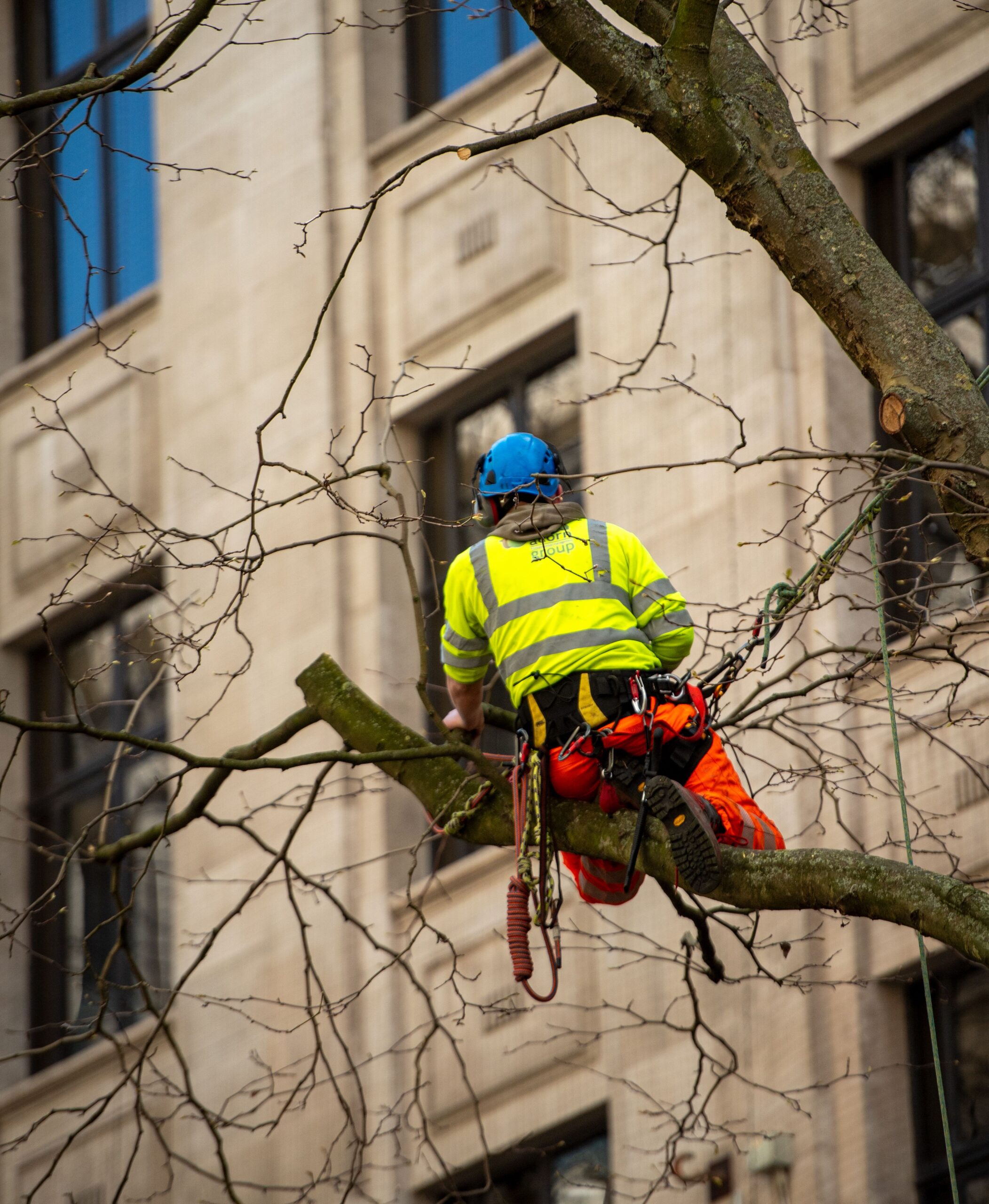
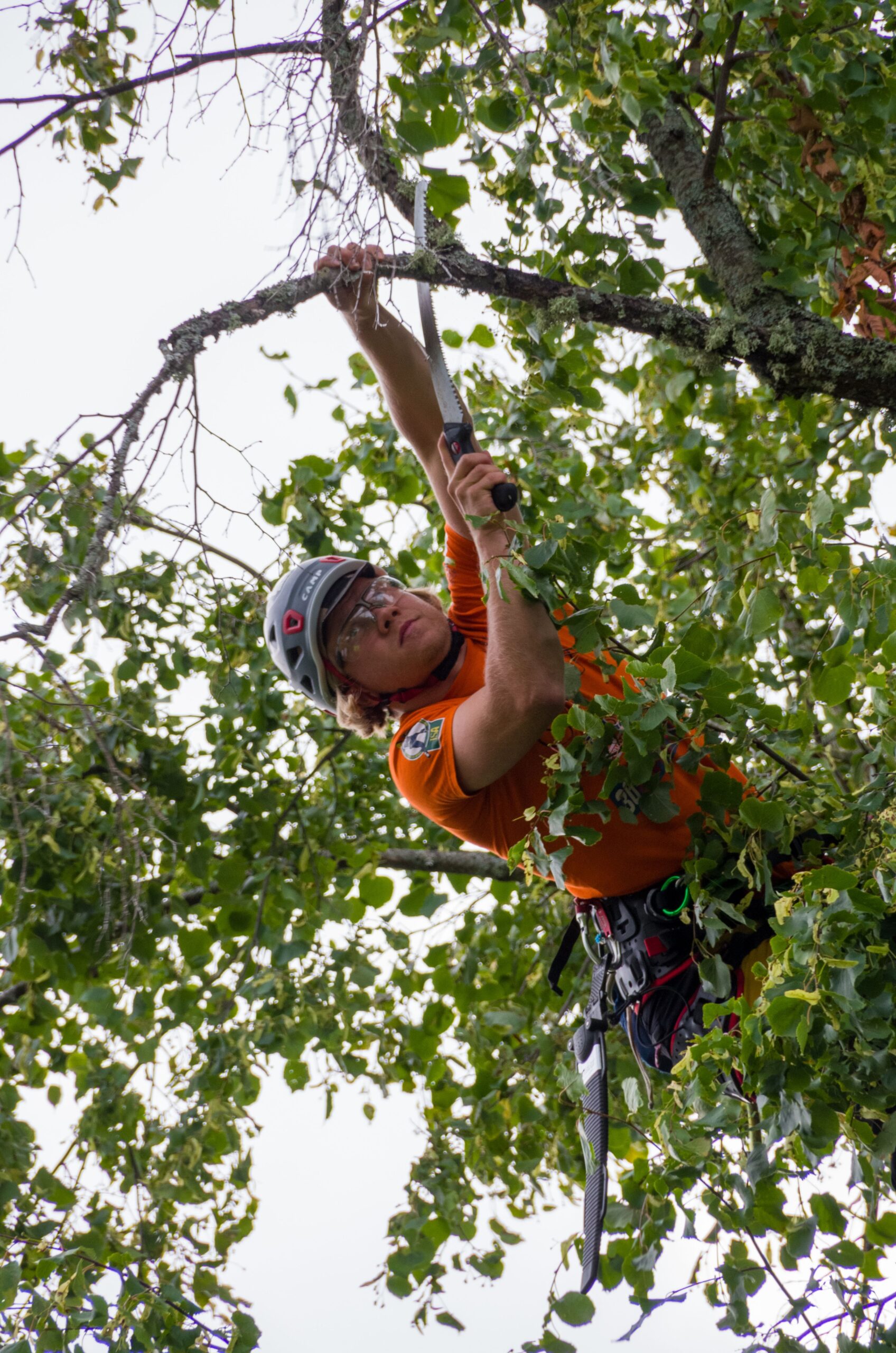
- Safety first: Wear appropriate PPE, keep power tools in good condition, and ensure ladders and rigging are secure.
Final thoughts
Timing your tree work with the seasons is more than a scheduling choice; it’s a stewardship practice. By avoiding late autumn and winter when possible, respecting wildlife and nesting cycles, and engaging qualified professionals, you can achieve cleaner cuts, healthier trees, and safer landscapes. If you’re unsure about the best time to prune or remove a tree on your property, reach out to a trusted local specialist, such as tree services mansfield, for an on-site assessment and guidance tailored to your yard’s conditions and your local climate.