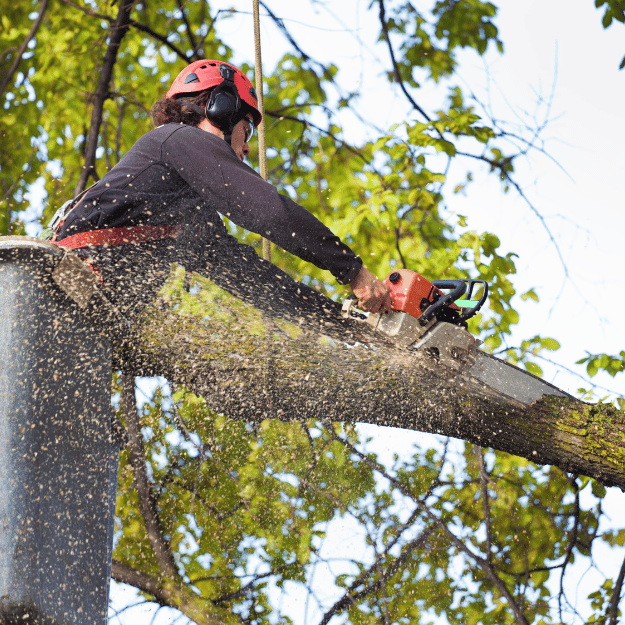
What Months Are Best for Tree Trimming?
Tree care is a seasonal art. Knowing the right time to trim can protect the health of your trees, encourage strong growth, and reduce risks from storms. If you’re looking for reliable guidance and practical help, consider consulting local specialists like HD Tree Services to ensure proper techniques and timing.
Introduction: Why Timing Matters
Trimming is not just about aesthetics; it affects a tree’s structure, vitality, and longevity. The best months for tree trimming depend on the species, climate, and purpose of the prune. In general, late winter to early spring is a common window for many deciduous trees, while certain evergreens and fruit trees have their own optimal periods. This article explains timing considerations and how to plan your maintenance with confidence.
Understanding Seasonal Windows
Winter Pruning: Dormant Season Benefits
Many experienced arborists prefer pruning during dormancy, typically from late autumn through late winter. The benefits include:
- Clearer visibility of branch structure because there are no leaves.
- Reduced risk of new growth being damaged by late frost.
- Better callus formation for certain species.
However, some trees shouldn’t be pruned in extreme cold, and very late winter pruning can expose fresh wounds to a thaw cycle. If in doubt, contact tree services Chesterfield for a professional assessment.
Early Spring Pruning: Jumpstart Growth
As buds begin to swell, early spring is a suitable window for primaries in many species that respond well to an early pruning stimulus. This period can promote vigorous new growth and flowering for some trees, but it also risks stimulating sap loss and disease exposure in others if done too early or with improper cuts.
Summer Pruning: Size Control and Safety
Summer pruning is often used for maintenance, shaping, and removing water sprouts or deadwood. It’s important to avoid heavy pruning in hot, dry weather, which can stress the tree. For certain species, light pruning in summer helps maintain form without compromising health.
Autumn Pruning: Pros, Cons, and Considerations
Autumn pruning can be useful for removing dead wood and preparing trees for winter, but substantial pruning in autumn can stimulate new growth that won’t have time to harden off before freezing temperatures. If you’re unsure, a local tree services Chesterfield professional can tailor timing to your climate.
Species-Specific Timing
Deciduous Trees
Deciduous trees lose their leaves in autumn, revealing branch structure. Pruning during winter or very early spring is common because it minimizes sap loss and allows for accurate shaping. Species such as maples, oaks, and lindens often follow this pattern, though exceptions exist.
Fruit Trees
Fruit trees frequently benefit from pruning during their dormant season or just after harvest, depending on the variety. For example, many stone fruits are pruned in late winter to encourage a strong framework for the next growing season, while stone fruit timing can vary. Consulting with tree services Chesterfield can help align pruning with fruiting cycles.
Evergreens
Evergreen pruning timing can differ by species. Some evergreens respond well to late winter pruning, while others benefit from light shaping in summer. Professionals can advise on best practices to avoid winter injury or sunscald.
Practical Tips for Homeowners
- Inspect first: Look for dead, diseased, or damaged branches and plan removal accordingly.
- Use proper tools: Clean, sharp tools reduce injury and promote clean cuts.
- Make correct cuts: Use proper pruning cuts to avoid tearing bark or encouraging rot.
- Don’t over-prune: Avoid removing more than 25-30% of a tree’s canopy in a single year for many species.
- Plan for safety: Use ladders, harnesses, and, if needed, professional services to manage larger trees.
Why Hire Local Expertise?
Hiring experienced professionals, such as tree services Chesterfield, offers several advantages:
- Knowledge of local climate patterns and species responses.
- Proper assessment of tree health and risk (weak spots, pest exposure, storm vulnerability).
- Safe, efficient pruning with reduced risk to you and your property.
- Compliance with local regulations and best-practice standards.
Final Thoughts
Timing your tree trimming is a balance between tree species, local climate, and the goals of the prune. Winter and early spring dormancy are often ideal windows for many trees, while fruit trees and evergreens may require species-specific timing. If you’re unsure about the best months to trim your trees, reach out to a trusted local expert, tree services Chesterfield can provide tailored guidance and professional pruning that supports tree health and landscape beauty. Regular, well-timed pruning helps maintain structure, reduce storm damage, and extend the life of your trees.