How Much Will It Cost to Remove a Tree Stump?
Tree stump removal is a common garden challenge that many homeowners face. Whether you’re tidying up after a storm, reclaiming a sunny lawn, or planning new landscaping, knowing the potential costs helps you budget wisely. In this guide, we’ll break down the factors that influence the price of tree stump removal and provide practical tips to get the best value without compromising safety or quality.
Introduction: why stump removal costs matter
Removing a tree stump isn’t just about aesthetics. Stumps can attract pests, harbor fungi, and interfere with mowing or future planting. Understanding the typical cost range and the variables at play enables you to make informed decisions and avoid surprise invoices. This article focuses on tree stump removal in the UK context, with practical insights for homeowners, gardeners, and small developers.
What affects the price of tree stump removal
Several factors determine how much it will cost to remove a stump. Being aware of these can help you compare quotes and choose the right method.
Stump size and species
- Smaller stumps are quicker and cheaper to remove than large, stubborn ones.
- Species with extensive root systems or woody, dense material can require more work and specialized equipment.
Location and accessibility
- Stumps in open lawns are usually easier to grind or extract than those buried under paving, walls, or garden beds.
- Access to the work area affects labour time; narrow gates or confined spaces can increase costs.
Removal method: grinding vs. extraction vs. chemical treatment
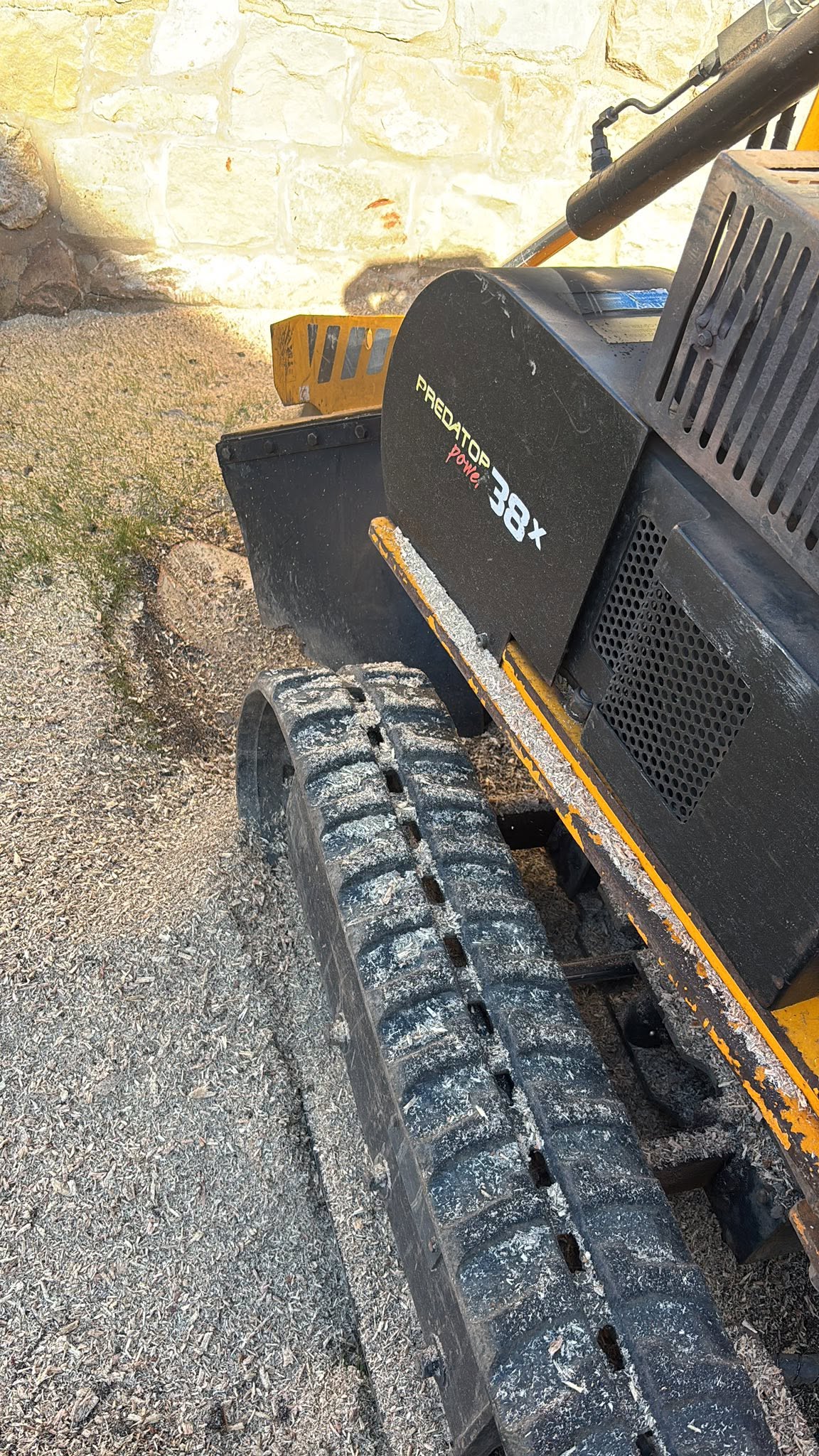
- Grinding: The most common method, especially for visible stumps. A stump grinder bores down and chips away the stump.
- Extraction: Involves pulling the stump out with mechanical or hydraulic methods; can be more invasive and require more labour, especially for large stumps with deep roots.
- Chemical or natural decay: Slower and cheaper initially, but not a permanent removal; often used for cosmetic finish or to rot the stump over time.
Stump root system and local conditions
- Extensive root networks or proximity to structures, underground services, or utilities can complicate removal and raise costs.
- Soil hardness, moisture, and compactness can influence equipment efficiency.
Labour, equipment, and disposal
- Hire of stump grinding equipment vs. professional service
- Volume of waste and disposal fees for green waste or timber
- Travel time for the service provider to reach your property
Permits and regulations
- In many areas, stump removal does not require a permit, but always check local regulations, especially if heavy equipment will be used or work is near utilities.
Typical cost ranges and how to interpret quotes
Prices for tree stump removal can vary widely in the UK, depending on the factors above and regional differences. Here are rough guidelines to help you benchmark:
- DIY grinding rental: Approximately £60–£120 per day for a stump grinder, plus fuel and safety gear.
- Professional stump grinding service: Approximately £70–£350+ per stump for grinders, with larger stumps or complex locations tending to be toward the higher end.
- Extraction methods: Generally £150–£600 or more per stump, depending on accessibility and root complexity.
- Additional costs: Disposal fees, root ball removal, and backfill material may add £20–£100+.
Note that some services charge per inch or per diameter of the stump; others quote a fixed price per stump. Always request a written estimate and confirm whether VAT is included.
Tips to get the best value for tree stump removal
Maximising value doesn’t mean cutting corners. Use these strategies to ensure a fair price and a quality job:
- Obtain multiple quotes: Compare at least three reputable providers to gauge market rates.
- Ask about grinding depth: Common depths are 200–300 mm (8–12 inches); deeper grinding may be required for future planting.
- Consider the timing: Off-peak seasons may offer lower rates, but weather windows can affect scheduling.
- Check credentials: Look for insured, certified arborists or specialists; verify public liability insurance.
- Clarify disposal: Confirm whether the price includes removal of debris and root material.
- Ask about warranties: Some companies offer guarantees on grinding depth or residual stump regrowth.
Alternatives to full stump removal
If full removal is not essential or budget is tight, there are viable alternatives:
- Stump grinding to a few inches below ground level: Reduces tripping hazards and allows reseeding or new plantings.
- Chemical stump decay treatments: Slow but inexpensive; suitable for low-traffic areas.
- Surface covering: Plant ground cover or mulch to conceal the stump and improve aesthetics.
- Living stump: In some cases, pruning and treating a stump as a decorative feature or feature tree.
Aftercare and ensuring a clean finish
Once the stump is removed or reduced, proper aftercare helps prevent issues:
- Backfill and level: Fill the hole with soil and compost, level with surrounding ground.
- Reseeding or replanting: Choose hardy grasses or ground cover to stabilise the area.
- Erosion control: Add a thin layer of mulch to deter weeds and retain moisture.
- Monitor for regrowth: Some stumps may send up new shoots; remove them promptly.
Final thoughts
Tree stump removal is a practical task that can dramatically improve yard aesthetics and usability. By understanding the factors that influence cost, you can obtain accurate quotes and select a method that balances budget, safety, and long-term results. Whether you opt for professional stump grinding, selective extraction, or a cosmetic finish, planning ahead pays off and ensures your outdoor space remains safe and inviting.