Emergency Tree Surgeon Mansfield: What to Do After Storm Damage
Strong winds and heavy rain can cause serious problems for trees, particularly those that are already damaged, weakened or carrying large amounts of deadwood.
After a major storm, it’s important to check the trees around your home or property for signs of damage. Fallen branches, split limbs and unstable trees can create an immediate safety risk and should be dealt with as quickly as possible.
At HD Tree Services, we provide professional emergency tree surgeon services in Mansfield and the surrounding areas, helping homeowners and businesses deal with dangerous trees following severe weather.
What Tree Damage Can a Storm Cause?
Storms can affect trees in several different ways.
Common problems include:
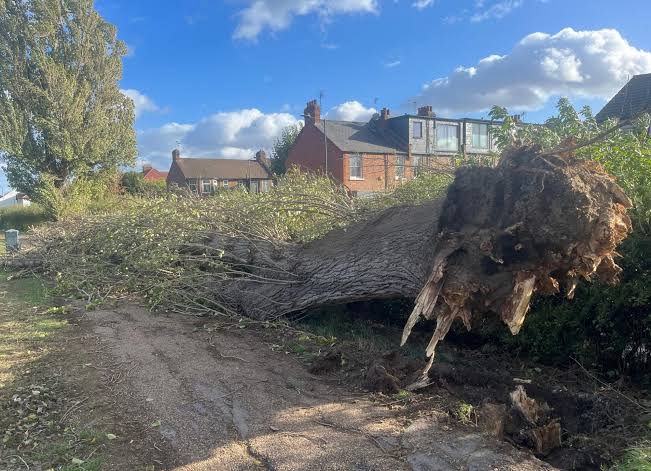
- Fallen trees
- Large broken branches
- Hanging or partially detached limbs
- Split trunks
- Trees leaning more than usual
- Exposed or damaged roots
- Branches resting on buildings, fences or vehicles
Some damage will be immediately obvious, while other problems can be more difficult to spot from ground level.
If you’re unsure whether a tree is safe, it’s always worth having it professionally inspected.
What Should You Do After a Storm?
The first priority should always be safety.
If a tree or large branch has fallen, avoid standing underneath it or attempting to move it yourself. Damaged branches can remain under considerable tension and may move unexpectedly.
You should also keep children, pets and vehicles away from the affected area until the tree has been made safe.
If the damage is close to a road, building or power line, additional precautions may also be required.
Watch Out for Hanging Branches
One of the most common hazards following strong winds is a branch that has broken but remains caught within the canopy.
These branches can appear secure but may fall without warning.
From ground level, it isn’t always easy to see whether a branch has fully detached, which is why professional assessment is important.
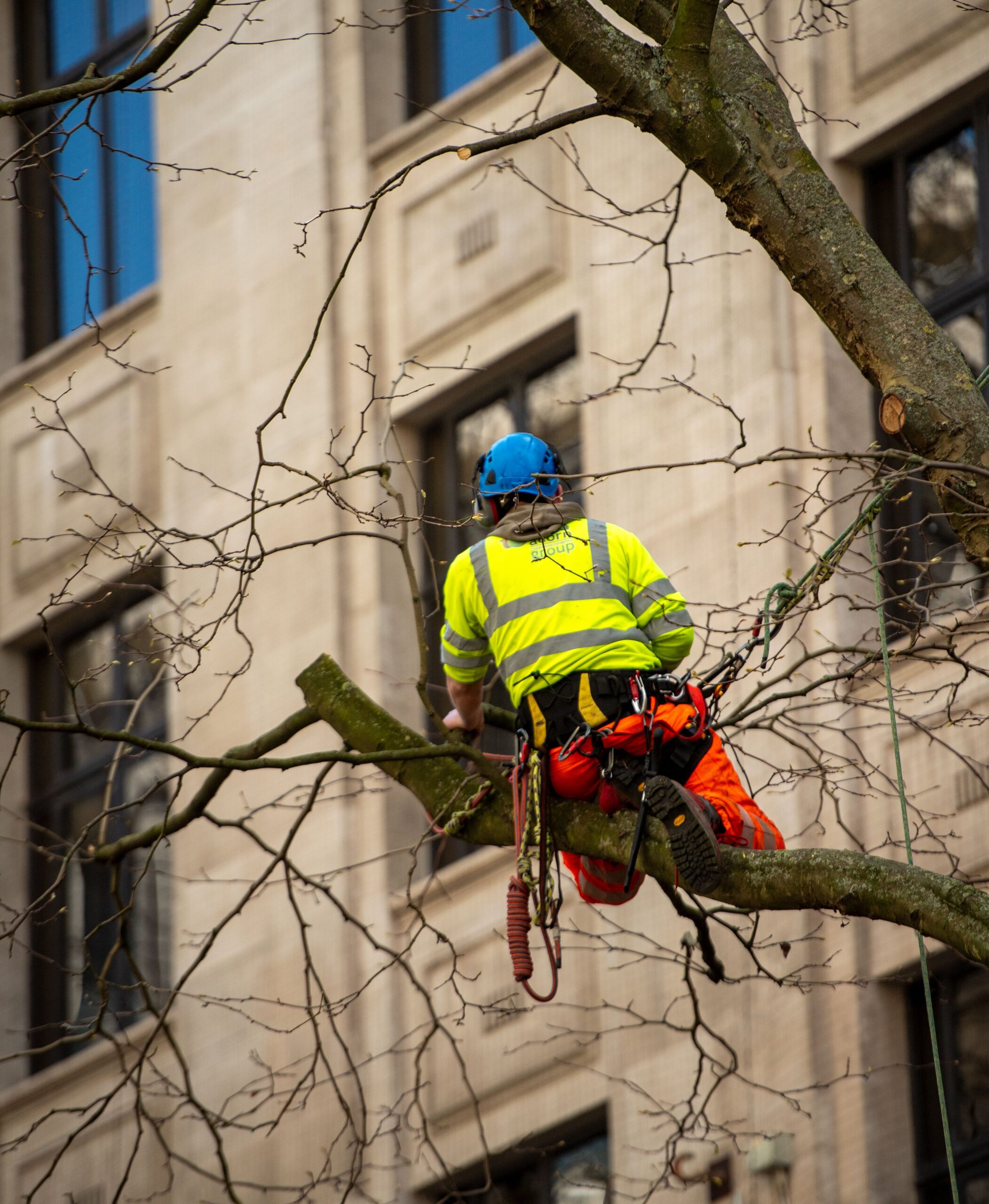
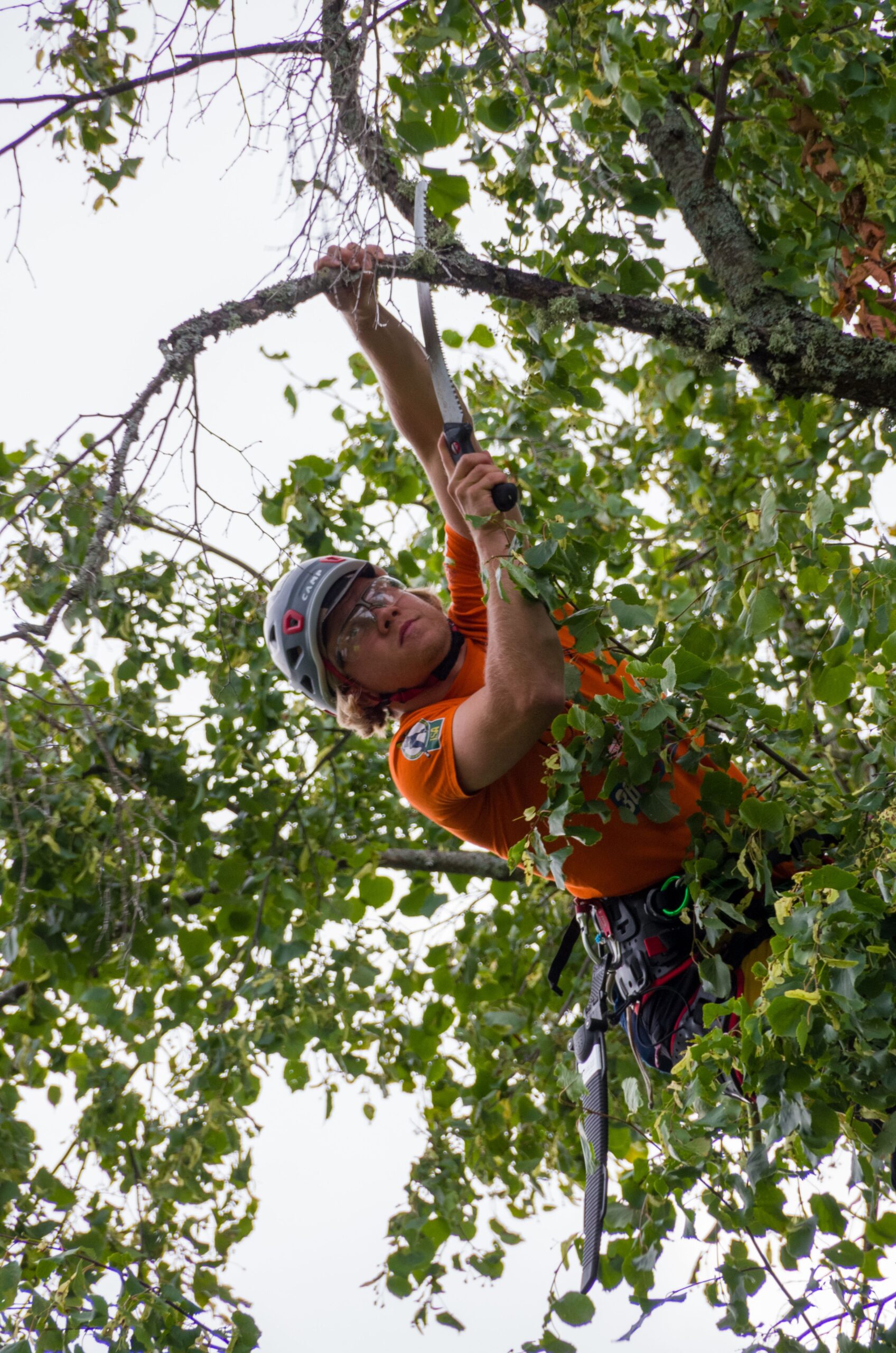
An experienced tree surgeon can safely access the tree and remove damaged limbs using the correct equipment.
Has a Tree Started Leaning?
A sudden change in the angle of a tree can be a sign of root movement or structural instability.
Look for:
- Fresh soil movement around the base
- Exposed roots
- Cracks in the ground
- A noticeable new lean
- Movement in the root plate
A leaning tree does not always mean it will fall, but a sudden change after a storm should be taken seriously.
Emergency Tree Removal
In some cases, storm damage is too severe for the tree to be safely retained.
If the trunk has split, the roots have failed or a large proportion of the canopy has been destroyed, emergency tree removal may be the safest option.
HD Tree Services can safely dismantle and remove damaged trees, including those located close to:
- Houses
- Garages
- Roads
- Driveways
- Fences
- Neighbouring properties
We’ll assess the safest approach before beginning any work.
Can a Storm-Damaged Tree Be Saved?
Not every damaged tree needs to be removed.
Depending on the extent of the damage, professional pruning may be enough to remove unsafe branches and retain the healthy parts of the tree.
The best solution depends on the species, size, condition and location of the tree.
Our team will assess the damage and advise whether pruning, reduction or removal is the most appropriate option.
Emergency Tree Surgeon in Mansfield
If you need an emergency tree surgeon in Mansfield, HD Tree Services is here to help.
We provide professional assistance for fallen trees, storm-damaged branches and dangerous trees throughout Mansfield and surrounding areas.
Our experienced team works efficiently to make the area safe and remove damaged timber where required.
Need an Emergency Tree Call-Out?
If a tree has been damaged during recent bad weather, don’t ignore it and hope the problem will disappear.
Even if the tree is still standing, damaged branches and weakened sections can remain hazardous.
Contact HD Tree Services today for professional emergency tree work in Mansfield and the surrounding areas.