What is the average cost of having a large tree cut down?
If you’re facing a decision about removing a large tree, you’re not alone. The cost of tree removal can be a bit confusing, especially when dealing with factors like tree size, location, and mandatory safety measures. In this post, we’ll break down the typical costs you might expect and explain how to get the best value, with a focus on practical guidance for residents in the UK, including references to a tree surgeon in Chesterfield.
Understanding the basics of tree removal costs
Tree removal is not a one-size-fits-all service. The price you pay depends on several variables:
- Tree height and diameter: Larger trees require more equipment, more crew, and more time.
- Access and location: Trees in confined spaces, near buildings, power lines, or roads can increase costs due to additional safety precautions.
- Wood and debris disposal: Some companies include it in the price, while others charge separately.
- Health and condition: A diseased or structurally compromised tree may pose extra risks that affect price.
- Permits and permissions: In some areas, you may need permissions or notices that can add to the cost.
A typical range for removing a large tree in the UK often falls between £600 and £2,500, but complex jobs can go higher. When calculating an estimate, most tree surgeons in Chesterfield and elsewhere will assess the job on site.
Why size and type matter
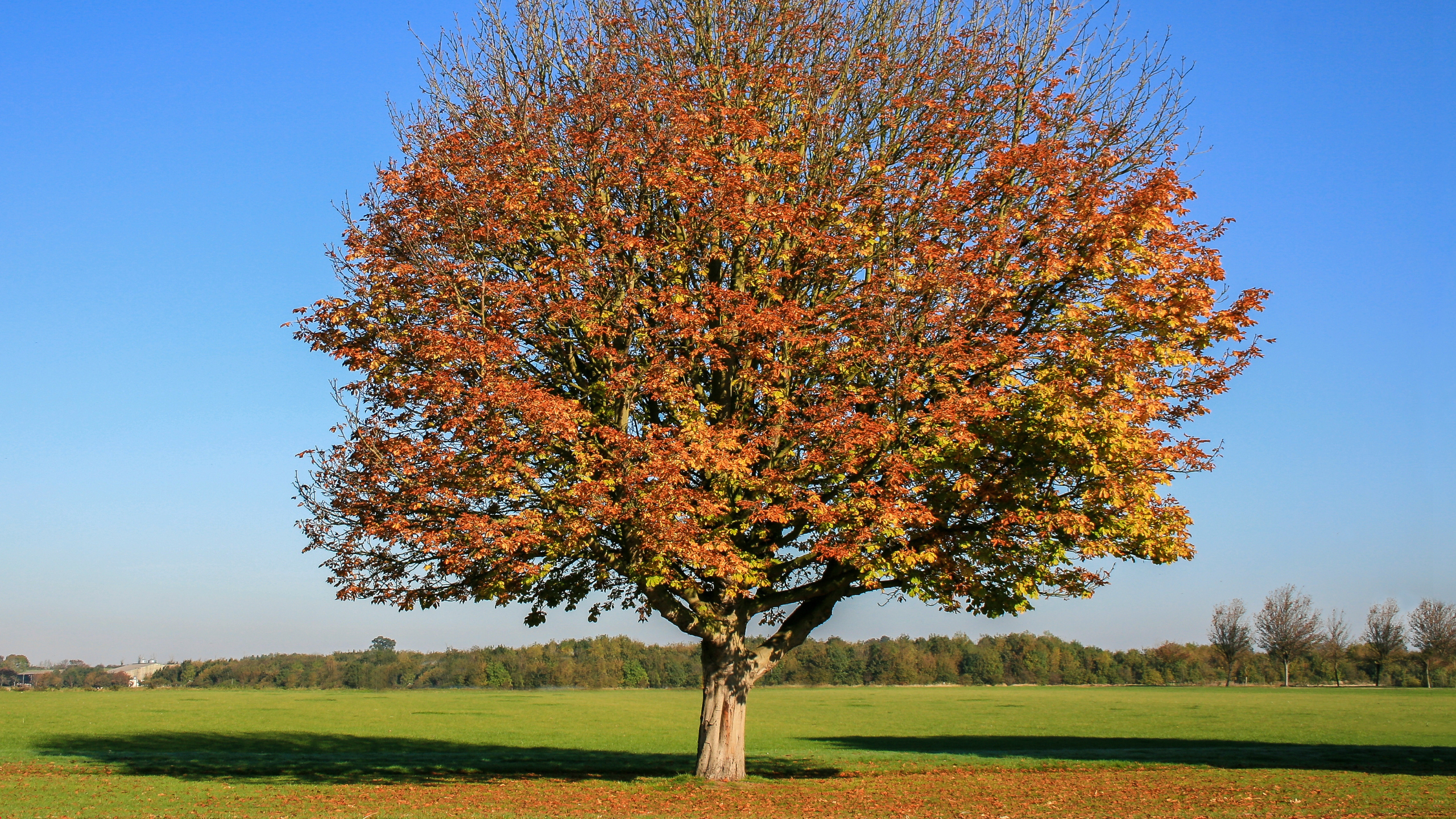
A “large tree” is usually considered to be anything around 12–20 metres tall or more, though local definitions can vary. The species also matters; hardwoods like oak or beech are denser and heavier to remove than softwoods like larch, which can influence both time and equipment needs. The trunk diameter, typically measured at chest height (about 1.3 metres), is another key factor in pricing.
Access, risk, and extra tasks
- Easy access: If the tree is in open space with straightforward access, the job tends to be cheaper.
- Tight access or cluttered surroundings: Constraining the crew’s movement can increase time and risk, pushing costs up.
- Stump grinding: Some removal jobs include stump grinding, while others charge separately. A stump can be an additional £100–£400 depending on size and depth.
- Wood extraction and disposal: If you want firewood or timber for reuse, you might negotiate a deduction or a reduced disposal fee.
- Dead or hazardous trees: Trees with deadwood or signs of disease can require careful rigging and additional safety measures, raising the price.
How to get an accurate quote
- Get multiple quotes: Aim for at least three on-site assessments to compare prices and services.
- Ask for itemised pricing: Ensure the quote separates labour, rigging, debris disposal, stump grinding, and any permit fees.
- Check what’s included: Some quotes include skip hire or biomass chipping, while others don’t.
- Consider insurance and qualifications: Look for a certified tree surgeon Chesterfield with appropriate public liability and employer’s liability insurance, and membership in professional bodies.
- Timing and seasonality: Some times of year may affect availability and rates.
What to expect from a typical quote
A professional tree surgeon in Chesterfield will usually provide:
- A site assessment: They’ll evaluate the tree’s height, health, and complexity of removal.
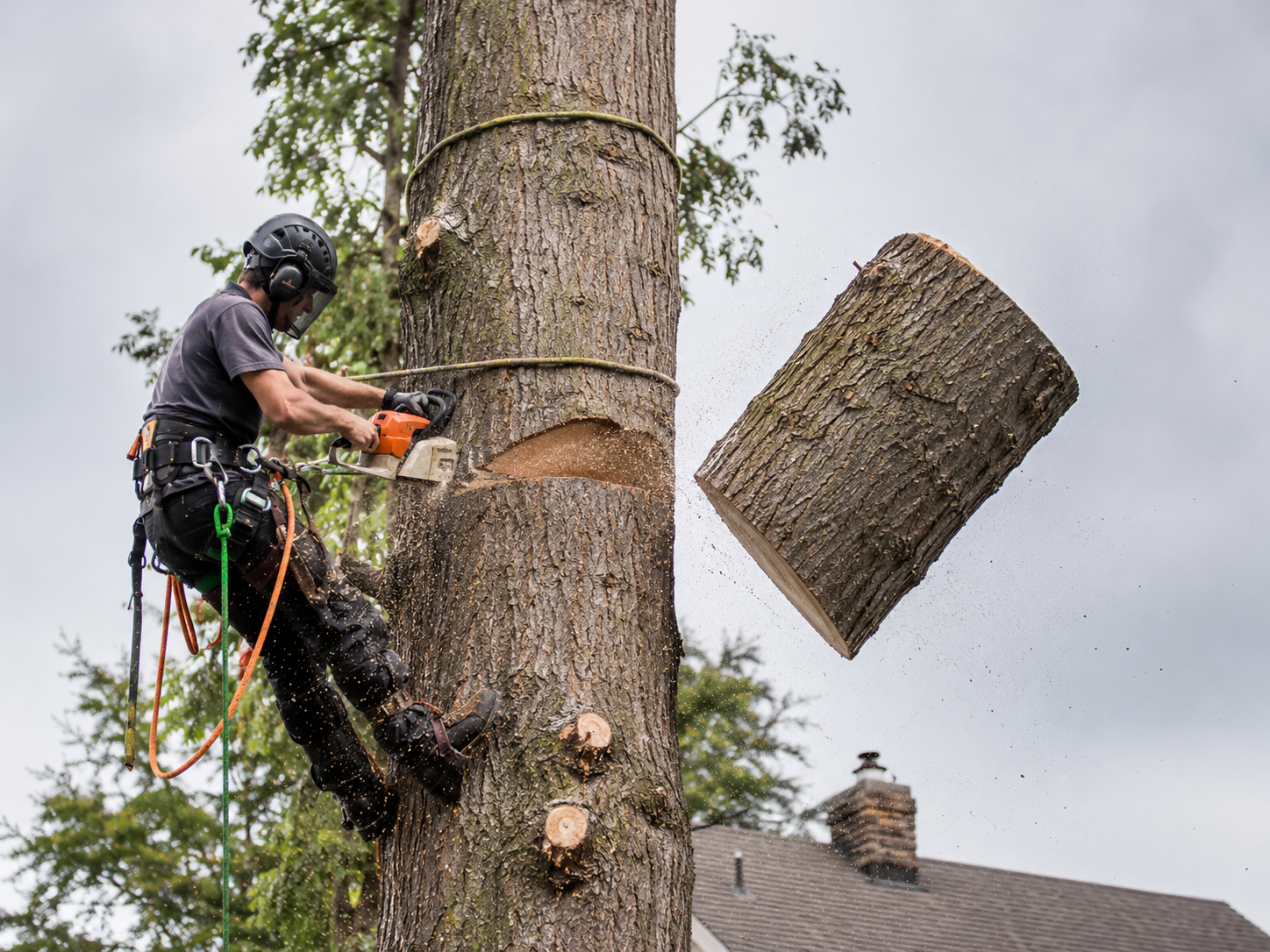
- A breakdown of tasks: dismantling, rigging, lowering sections, and clearing debris.
- Stump treatment options: If you don’t want the stump removed, discuss grinding or chemical stump killers as alternatives.
- Disposal method: On-site chipping, removal to a green waste facility, or reuse as mulch.
- Safety plan: A description of the rigging plan, temporary barriers, and any road or footpath closures if necessary.
Safety considerations and legality
- Permits and notifications: Depending on the local council rules, you may need permission to remove a large tree, especially if it’s ancient or protected species.
- Utility lines: Trees near power lines require careful coordination with the utility provider.
- Insurance and liability: Ensure the tree surgeon Chesterfield has robust public liability insurance and that you are covered for any property damage during the project.
Does it pay to haggle or negotiate?
Yes, in a sensible way. While you shouldn’t compromise on safety or the quality of work, you can:
- Negotiate price for additional services: If you need stump grinding or debris disposal, see if bundled pricing is available.
- Ask for price matching: If you have a credible quote from another local tree surgeon, some contractors may match or beat it.
- Consider off-peak scheduling: Off-peak times can sometimes yield lower rates due to lower demand.
Maintenance and aftercare
After a large tree is removed, you may want to plan for aftercare:
- Ground recovery: Re-seeding or laying turf where the stump and roots are removed.
- Future planting: Consider replacing the tree with a more suitable species for the location.
- Ongoing pruning: If you’re managing a larger landscape, discuss a maintenance plan with your Chesterfield tree surgeon to prevent future issues.
Final thoughts
Removing a large tree is a substantial task with costs influenced by size, access, and safety considerations. By understanding the factors and getting multiple, itemised quotes from a qualified tree surgeon Chesterfield, you can budget effectively and ensure the job is done safely and efficiently. If you’re in Chesterfield or the surrounding area and need professional advice, reach out to a reputable tree surgeon Chesterfield to assess your specific situation and provide an accurate quote.