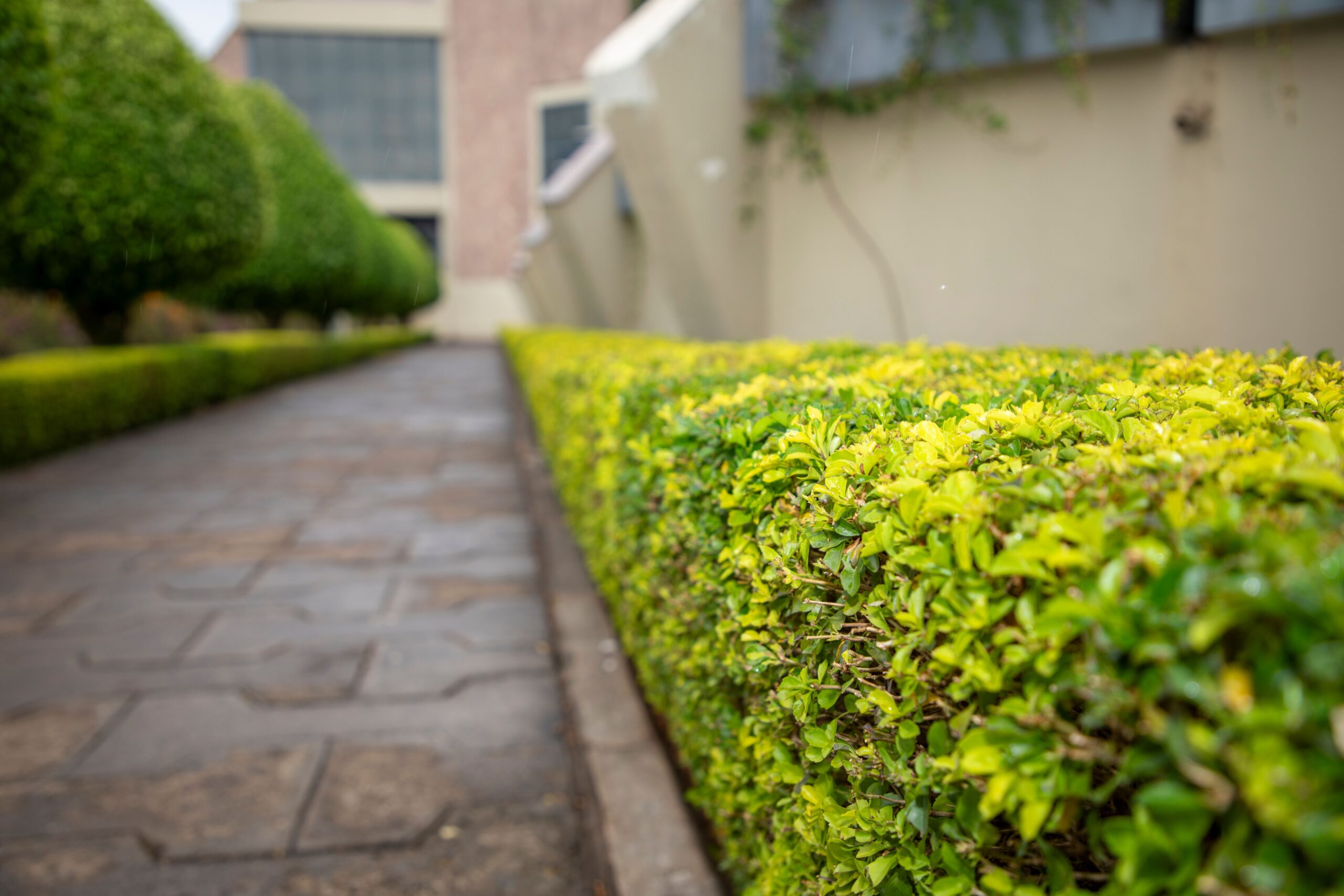
Can You Trim Hedges Too Much?
Hedge trimming is a common garden chore, but it’s easy to overdo it. Knowing how far to go, when to trim, and what to expect from your hedges can save you time, money, and a lot of disappointment. In this post, we’ll explore the art and science of hedge trimming, how to recognise signs of over-pruning, and practical tips to keep your hedges healthy and attractive all year round.
Introduction: What hedge trimming really involves
Hedge trimming is more than just making a boundary look neat. Proper hedge trimming shapes growth, maintains plant vigor, and can influence flowering and fruiting in ornamental and fruiting hedges alike. While it’s tempting to sculpt every branch, understanding the growth habits of your hedge species helps you trim with intention rather than impulse. In this guide, we’ll cover the risks of trimming too aggressively, how to recover from it, and best practices for ongoing maintenance.
How hedges respond to pruning
Growth patterns and timing
Most hedges respond to pruning by putting energy into new shoots. The timing of your trim matters: trimming in the wrong season can reduce flowering or cause excessive flush growth. For example, many spring-flowering species form the buds on the previous year’s wood, so heavy pruning right after flowering can remove those buds. Conversely, summer or late-summer trims may encourage fresh growth but can lead to a vulnerable growth flush if frosts arrive early.
Wood age and pruning tolerance
Hedges aren’t infinitely forgiving. Some species tolerate hard pruning better than others. Broadly speaking, evergreens like box, yew, and privet can tolerate regular shaping, but heavy cuts into mature wood can slow regrowth or leave bare patches. Deciduous hedges (like hornbeam or beech) may rebound strongly after moderate cuts but can suffer if pruned back to old wood with no new buds.
Signs you’ve trimmed too much
Sparse or uneven regrowth
If you notice thin or sparse new growth in the interior or at the tips, it can indicate you’ve removed too much of the plant’s photosynthetic area. Without enough green tissue, the hedge may struggle to fuel new shoots.
Bark damage or exposed stems
Over-pruning can expose stems that were once shaded. Bark cracking, sunscald on exposed wood, or a general lack of leaf cover on one side are red flags that the hedge has been trimmed too aggressively.
Slow recovery or dead patches
Hedges take time to recover. If weeks or months pass without new growth in damaged areas, you may have pruned too deeply into older wood, reducing the plant’s ability to push out fresh shoots.
Change in health or vigor
A hedge that suddenly looks stressed, yellowing leaves, reduced turgor, or increased susceptibility to pests and disease, can signal over-pruning or improper aftercare.
Practical steps to avoid trimming too much
Plan your cuts with growth in mind
Before you pick up the shears, study the hedge’s growth habit. Mark the areas you want to prune and set a limit to how much you’ll remove in one session. A good rule of thumb is to remove no more than a third of the previous year’s growth in a single cut for many species, especially if you’re aiming for a tidy shape.
Work in stages
Rather than a single, aggressive session, trim gradually over several weeks or months. This approach reduces stress on the plant and allows you to monitor regrowth and shape.
Use the right tools and technique
Sharp blades produce clean cuts that heal faster and reduce the risk of damage. Keep pruning into a slightly rounded form to avoid creating flat, sunken areas that can be prone to disease.
Consider the species and season
Some species tolerate heavy pruning better than others. If you’re uncertain, consult local gardening guides or your garden centre. Also, avoid heavy pruning during the growing season if you expect frost, as cold damage can compound stress.
Aftercare matters
Watering, mulching, and feeding with a balanced fertilizer can help hedges recover after pruning. Avoid over-fertilising, which can encourage too-rapid new growth that you’ll then have to trim again. Keep an eye on pests and diseases, as stressed plants are more susceptible.
Special considerations for different hedge types
Box (Buxus)
Box is a classic for formal hedges but can be sensitive to over-pruning. Heavy cuts into old wood are difficult to recover from. Light, frequent trims are usually best to maintain a tight, tidy appearance.
Privet (Ligustrum)
Privet grows quickly and responds well to regular shaping. However, repeated heavy pruning into old wood can lead to bare patches. Aim for consistent annual trims rather than sporadic, drastic cuts.
Yew (Taxus)
Yew tolerates a range of shapes and can recover from significant cuts, but severe pruning should be approached with caution, especially on established plants. Ensure you monitor for stress after pruning.
Beech and Hornbeam
These deciduous options often respond well to moderate trimming, but they should not be pruned back to old wood if you want to preserve dense regrowth.
Common mistakes to avoid
- Pruning too hard in one go, especially on mature hedges.
- Shaping from the top down without considering interior light and airflow.
- Neglecting to clean cuts, which can invite disease.
- Ignoring seasonal cues and local climate risks.
Final thoughts: Striking the balance
Hedge trimming is as much about restraint as it is about technique. By understanding growth patterns, seasonal timing, and the specific needs of your hedge species, you can avoid trimming too much and still achieve a healthy, attractive boundary. The goal is to maintain a strong, green framework that supports robust new growth rather than one that reveals bare wood or stressed leaves.
If you’re unsure about a particularly large prune, it’s wise to consult a local horticulturist or arborist. With care and patience, your hedges will continue to provide privacy, structure, and beauty for years to come. Hedge trimming, when done thoughtfully, is a rewarding skill that enhances any garden.